Ayhan Simsek
24 April 2026•Update: 24 April 2026
- Left Party lawmaker Clara Buenger says measures violate fundamental rights and gather massive data without justification
- ‘Law-abiding travelers are subjected to boundless mass surveillance on their way to their holidays,” Buenger says. ‘The new EES functions as a gigantic data repository, storing sensitive biometric data in
Germany’s opposition Left Party criticized the EU’s new entry-exit border system, saying it violates travelers’ fundamental rights, places them under general suspicion and collects massive amounts of data without sufficient justification.
“The current chaos at airports is a direct result of the authoritarian shift taking place in Europe and at its external borders,” Left Party lawmaker Clara Buenger told Anadolu. “The EU is merging massive databases without oversight and undermining the constitutional restrictions on data use,” she said.
The EU’s controversial new entry-exit system, known as EES, came into effect on April 10 across the Schengen area, aiming to curb the use of fake identities and abuse of visa-free travel. Under the rules, travelers from outside the EU must provide personal information and biometric data at border checks, a process that has begun to cause long lines and flight delays.
Buenger, the Left Party’s spokesperson on domestic political issues, criticized the measures as disproportionate and warned that they place nearly all non-EU travelers under general suspicion by requiring facial images and fingerprints on first entry for a digital record.
“Law-abiding travelers are subjected to boundless mass surveillance on their way to their holidays. The line between migration and criminal prosecution is being permanently blurred. This access massively violates the right to informational self-determination,” she said.
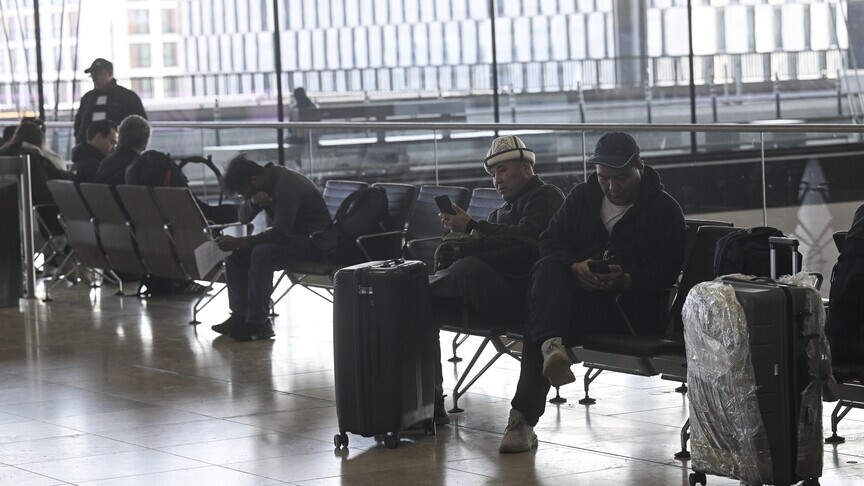
The EES implementation disrupted operations at several European airports last week, with travelers facing two- to three-hour lines at peak times. In Italy, passport control delays reportedly caused dozens of British passengers to miss flights, and similar bottlenecks were reported at German airports due to a lack of personnel to help travelers navigate the system and the time required for biometric enrollment.
Buenger warned that the EES system could cause serious problems, citing early technical failures and concerns that mass data collection could disproportionately affect disadvantaged groups and lead to errors that wrongly deny travelers entry to the EU.
“Biometric data collection relies on flawed algorithms and often discriminates against Black people, women and children. Technical flaws lead to false alerts and unjustified denials of entry,” she said. “The EES functions as a massive data retention system, storing sensitive biometric data in law enforcement databases for years without any justification,” she added.
Buenger also criticized what she described as double standards, noting that while millions of ordinary travelers face administrative hurdles and long waits, privileged groups such as US military personnel are exempt from the requirements.
EU officials said the new system is necessary to secure the bloc’s borders and combat overstayers, while acknowledging that the initial rollout could slow processing times at airports.