Seyma Erkul Dayanc
02 August 2026•Update: 02 August 2026
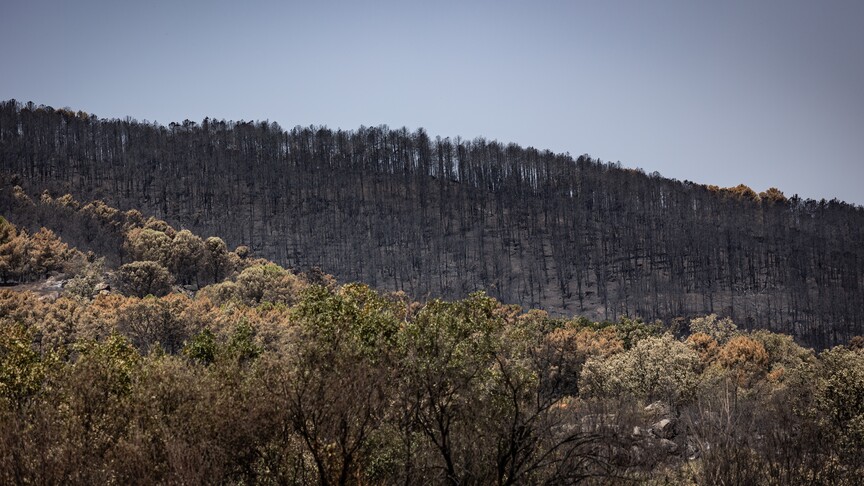
The forest fire danger in Southern Europe has doubled over the past 30 years due to an increase in summer weather conditions associated with a risk of blazes, according to a new study.
The study, reported on Saturday by Norwegian science website forskning.no, compared average summer weather conditions during two periods, 1981 to 2010 and 2011 to 2025, to avoid focusing on year-to-year variations.
The increase in fire-hazardous weather was recorded across Southern Europe, with Spain and Portugal reportedly seeing the largest rises.
Several areas in the two countries went from fewer than 10 days during the summer with extreme forest fire danger to more than 25 days.
In southern Italy and Greece, the increase was smaller, with researchers pointing to higher rainfall levels in those areas.
Jose Miguel Vinas, a meteorologist at Meteored UK who did not participate in the study, told The Guardian: “Increasingly extreme conditions of heat, drought and wind are fueling large forest fires.”
Researchers said improved firefighting capabilities across European countries have helped limit the impact of fire-hazardous weather conditions.
But they also noted that land-use changes have contributed to wildfire conditions, with highly flammable vegetation replacing former small pastures, and olive groves and almond orchards, while some diverse forests have been replaced by plantations of single tree species.
The study also found that natural climate patterns, including El Nino and the North Atlantic Oscillation, affect variations in summer weather conditions from year to year.