EXPLAINER - Why has Russia’s Kaliningrad become a point of tension with the West?
Exclave wedged between NATO members Poland and Lithuania, and borders the Baltic Sea
Burc Eruygur
05 October 2026•Update: 05 October 2026
ISTANBUL
Russia said could use 'all weapons' in arsenal in case of direct attack on region; NATO dismissed warnings, urging to 'stop the nuclear threats'
Russia’s westernmost Kaliningrad region has recently become a focal point of tensions with the West, as Russia threatened to use "all weapons" in its arsenal to defend the territory.
At a meeting of the Valdai Discussion Club in Moscow last week, President Vladimir Putin said any direct attack on Russia or attempt to annex the exclave would inevitably raise the issue of using "all weapons and means at Moscow’s disposal."
Noting that a Foreign Ministry letter on the protection of the Kaliningrad region does not mention nuclear weapons, Putin said the memo was issued in response to statements about a possible blockade of the exclave, and that Russia would have to respond if the region faced a direct attack.
A number of Russian embassies in Europe, including Ireland and the UK, also commented on “provocative” statements concerning Kaliningrad's blockade.
NATO Secretary General Mark Rutte did not disclose what was in the letter, but said the organization responded that "we are a defensive alliance," calling on Russia to "stop the nuclear threats" and "stop the war in Ukraine."
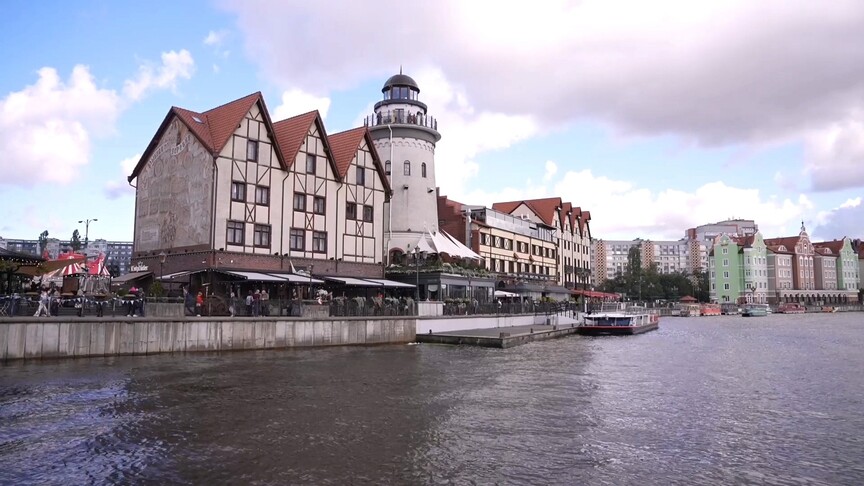
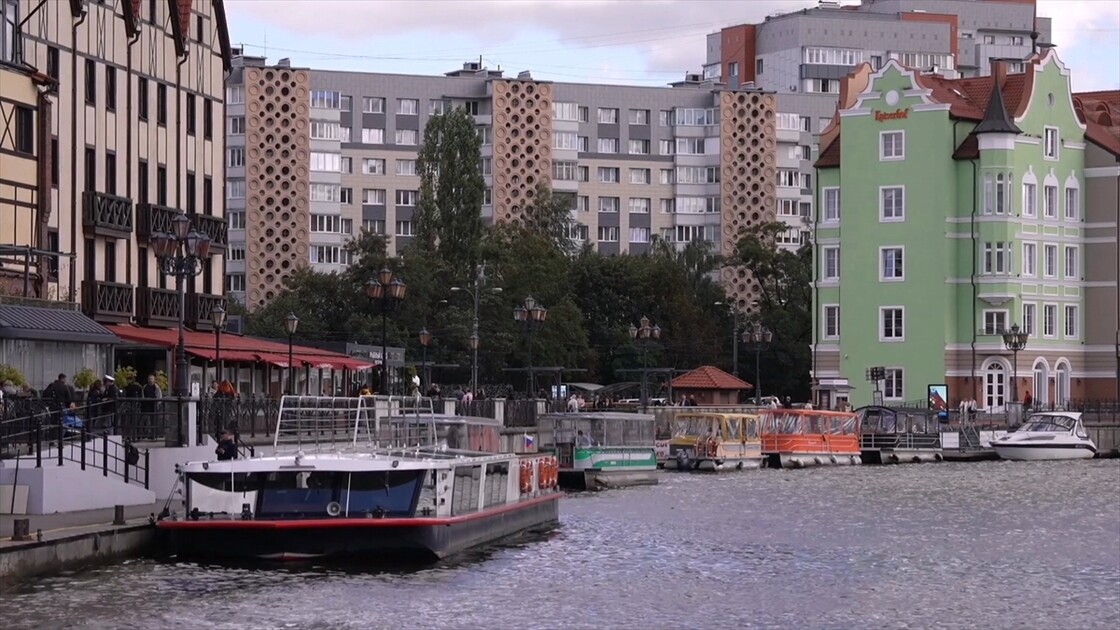
[1/14] KALININGRAD, RUSSIA - OCTOBER 02: People walk along the waterfront lined with buildings and eateries as boats dock nearby in Kaliningrad, Russia, on October 02, 2026, amid heightened regional tensions.
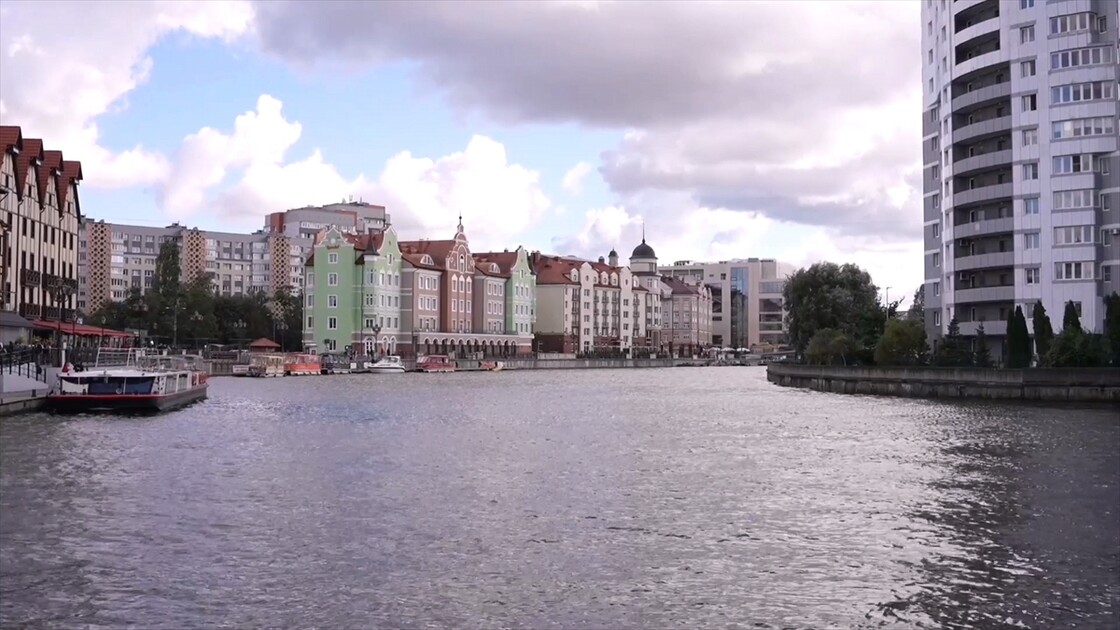
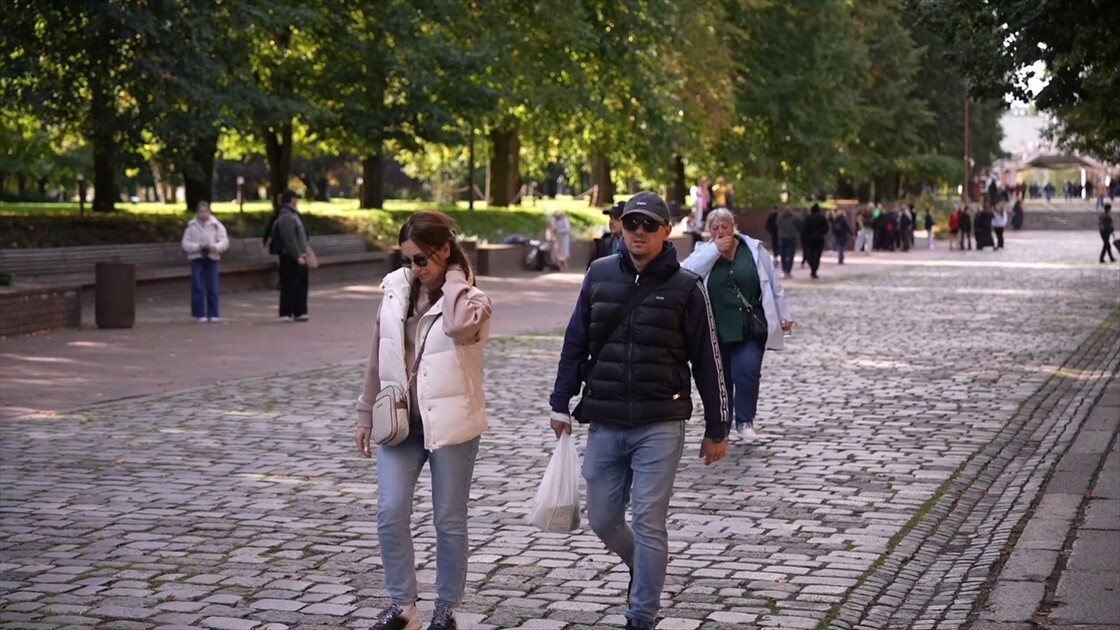
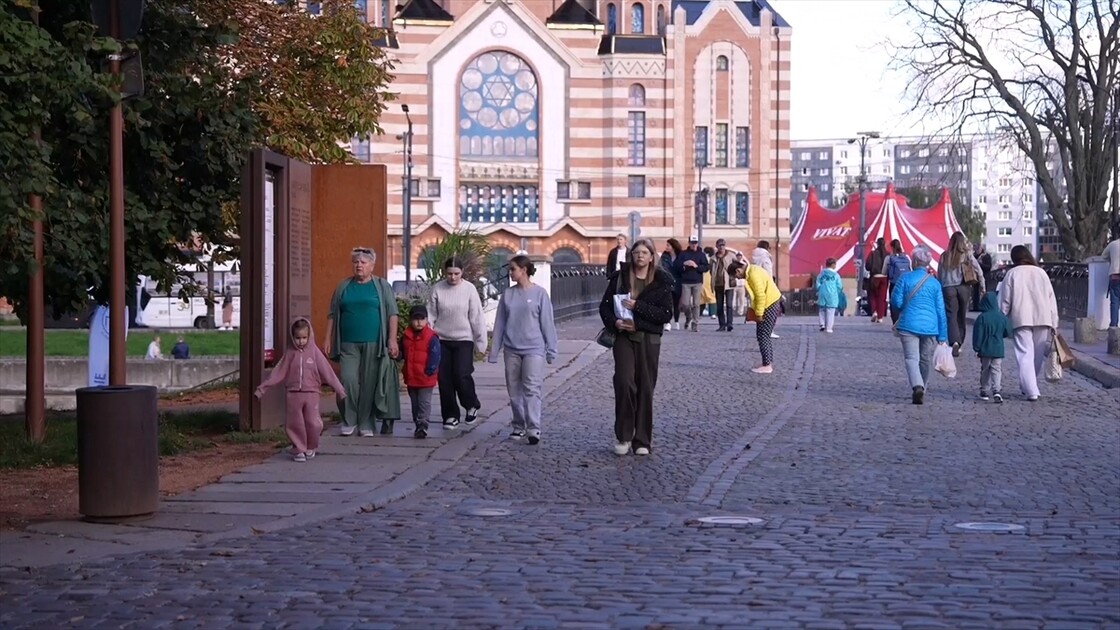
[2/14] KALININGRAD, RUSSIA - OCTOBER 02: People go about their daily lives in Kaliningrad, Russia, on October 02, 2026, amid heightened regional tensions.
[3/14] KALININGRAD, RUSSIA - OCTOBER 02: People go about their daily lives in Kaliningrad, Russia, on October 02, 2026, amid heightened regional tensions.
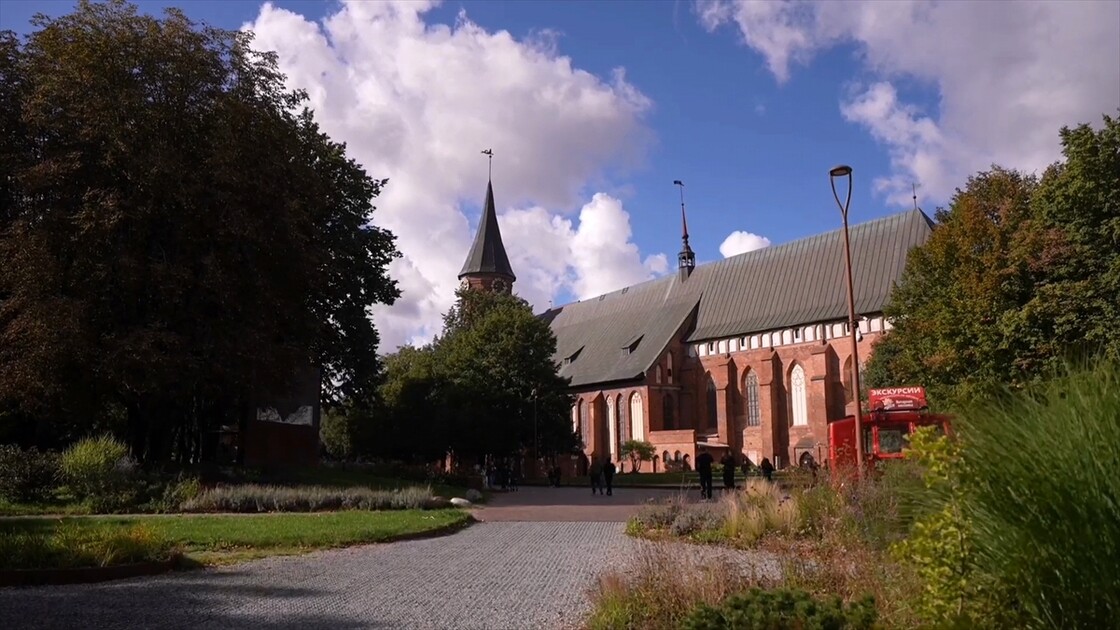
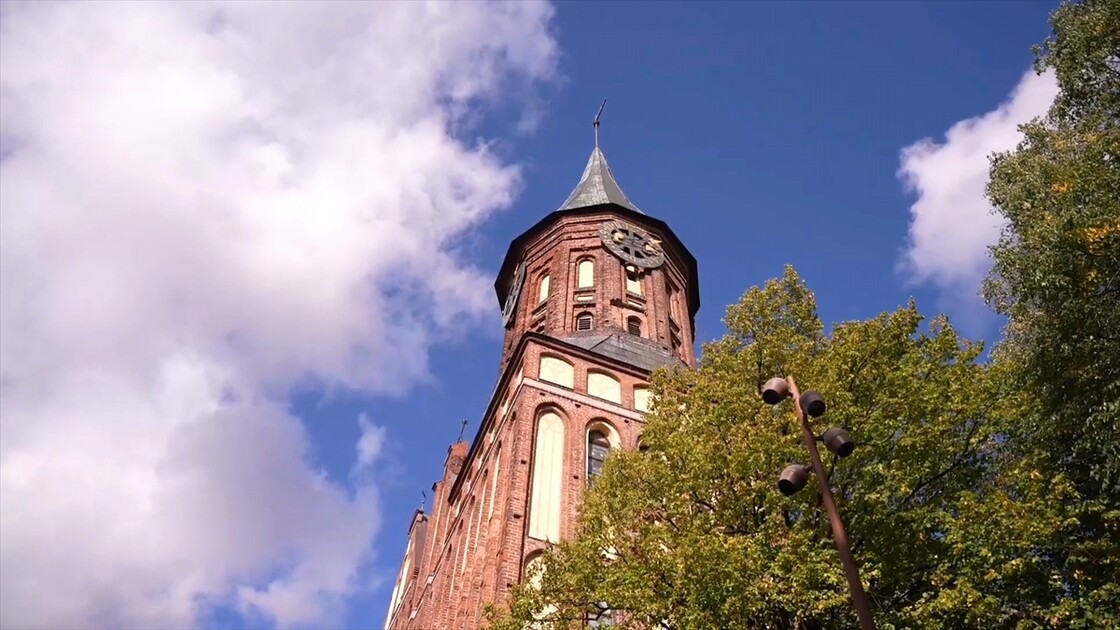
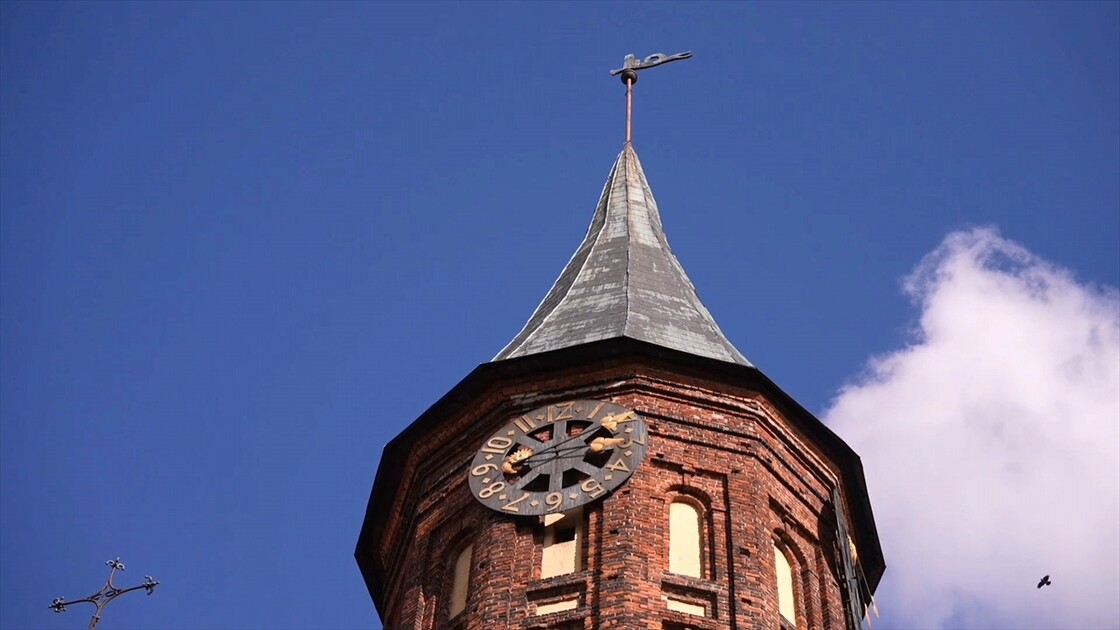
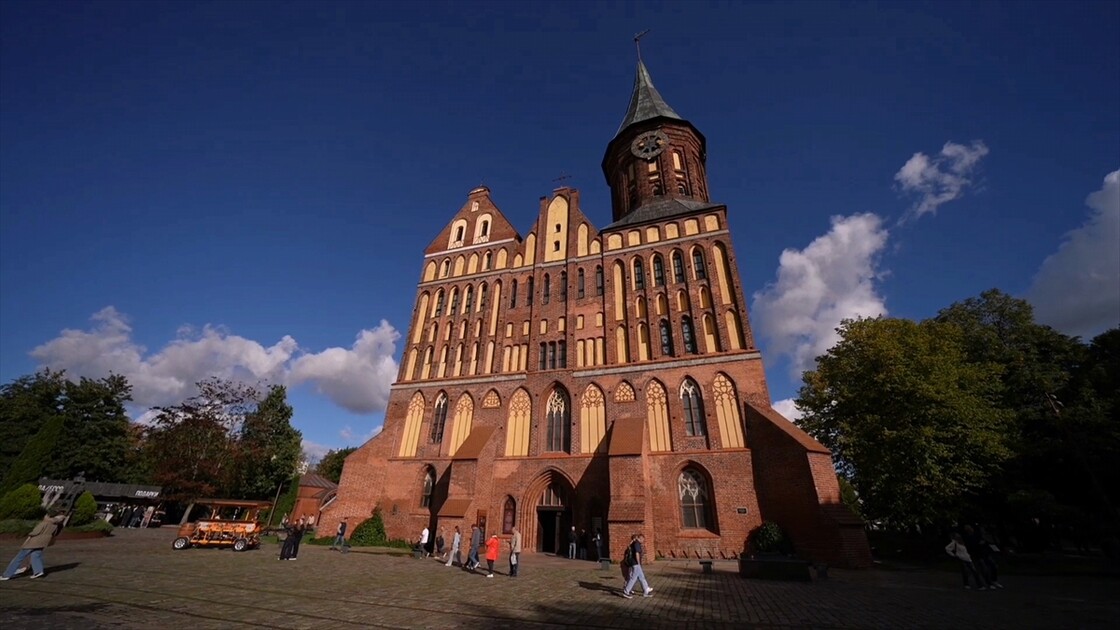
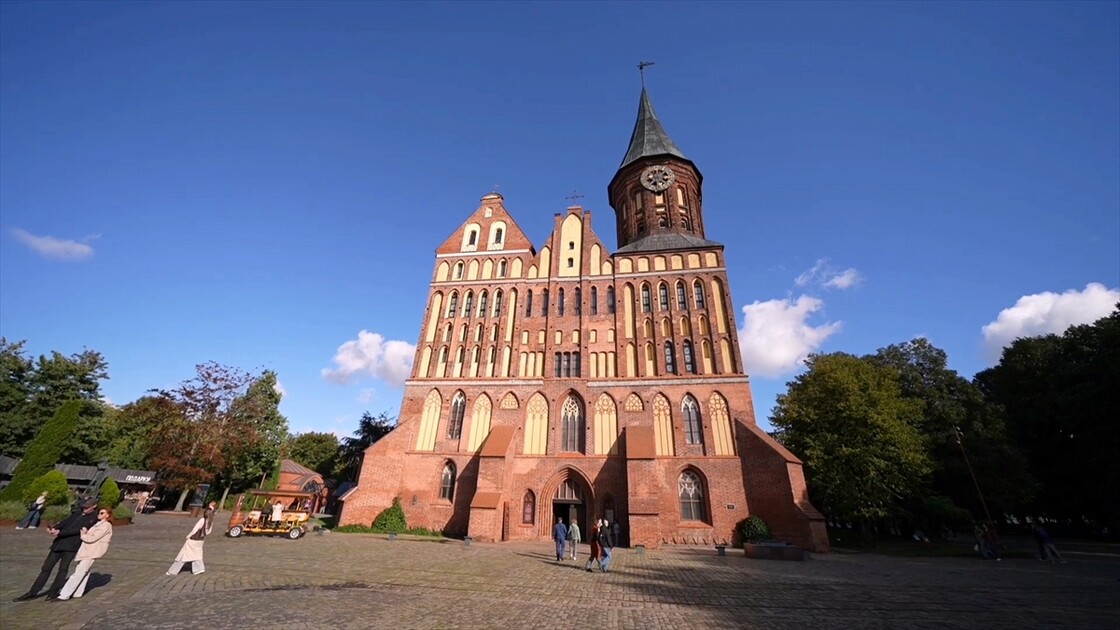
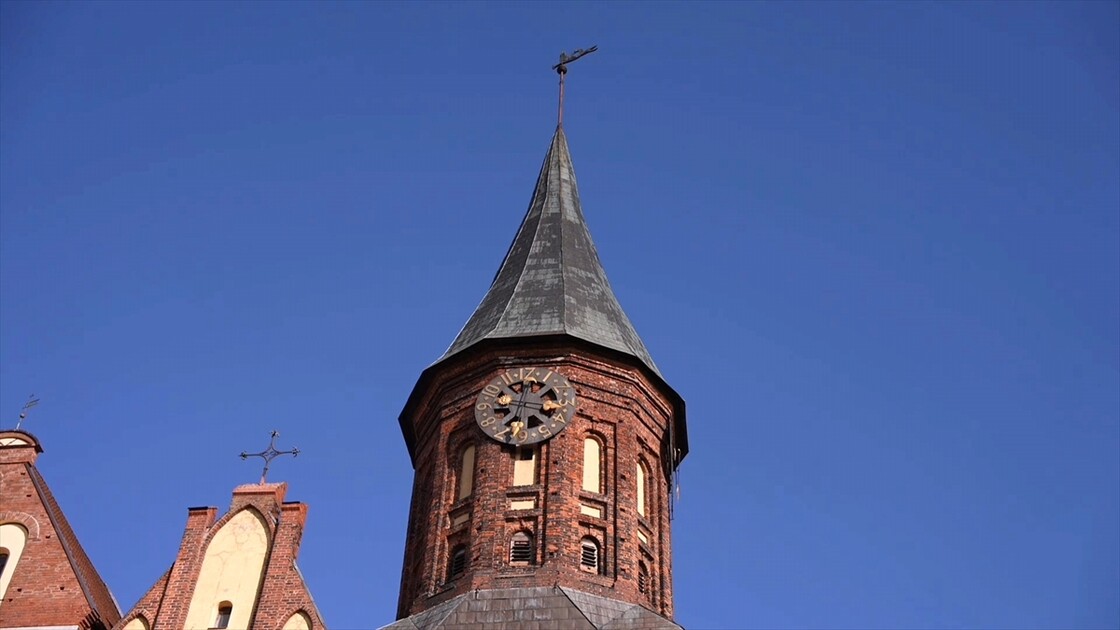
[4/14] KALININGRAD, RUSSIA - OCTOBER 02: A view of a historic cathedral in Kaliningrad, Russia, on October 02, 2026, amid heightened regional tensions.
[5/14] KALININGRAD, RUSSIA - OCTOBER 02: People go about their daily lives in Kaliningrad, Russia, on October 02, 2026, amid heightened regional tensions.
[6/14] KALININGRAD, RUSSIA - OCTOBER 02: People go about their daily lives in Kaliningrad, Russia, on October 02, 2026, amid heightened regional tensions.
[7/14] KALININGRAD, RUSSIA - OCTOBER 02: A view of a historic cathedral in Kaliningrad, Russia, on October 02, 2026, amid heightened regional tensions.
[8/14] KALININGRAD, RUSSIA - OCTOBER 02: A view of a historic cathedral in Kaliningrad, Russia, on October 02, 2026, amid heightened regional tensions.
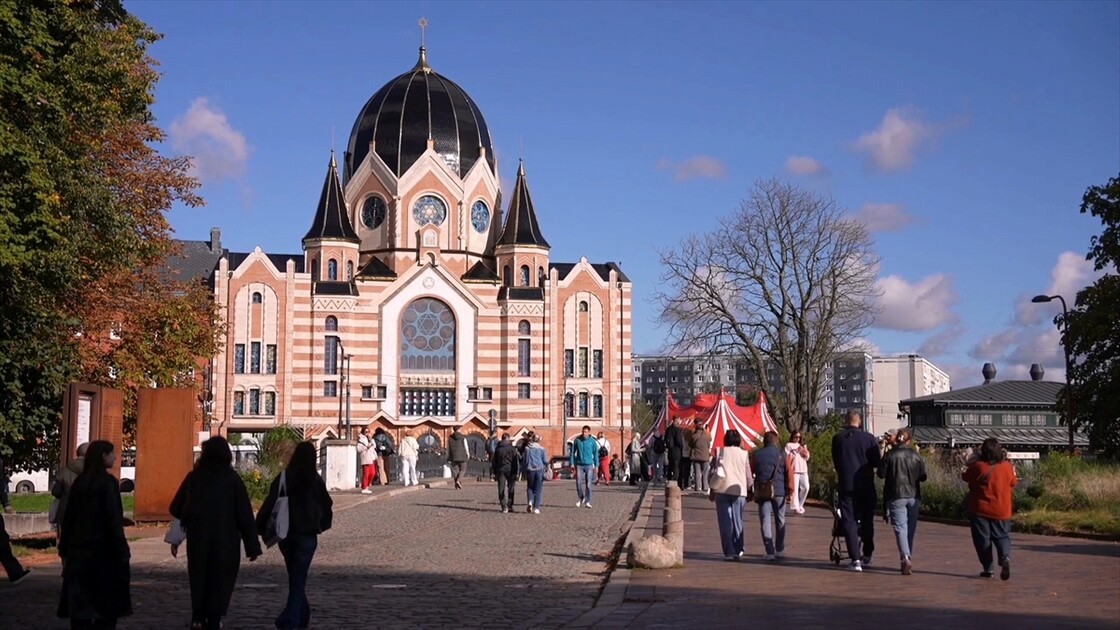
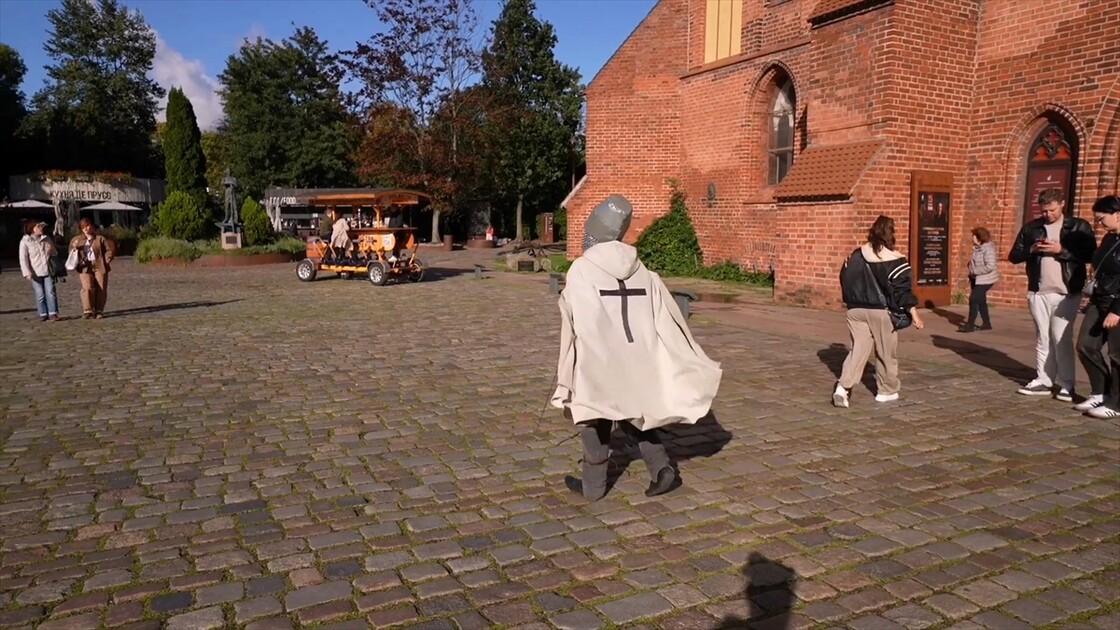
[9/14] KALININGRAD, RUSSIA - OCTOBER 02: People walk outside a historic cathedral in Kaliningrad, Russia, on October 02, 2026, amid heightened regional tensions.
[10/14] KALININGRAD, RUSSIA - OCTOBER 02: People go about their daily lives in Kaliningrad, Russia, on October 02, 2026, amid heightened regional tensions.
[11/14] KALININGRAD, RUSSIA - OCTOBER 02: People go about their daily lives in Kaliningrad, Russia, on October 02, 2026, amid heightened regional tensions.
[12/14] KALININGRAD, RUSSIA - OCTOBER 02: A view of a historic cathedral in Kaliningrad, Russia, on October 02, 2026, amid heightened regional tensions.
[13/14] KALININGRAD, RUSSIA - OCTOBER 02: People go about their daily lives in Kaliningrad, Russia, on October 02, 2026, amid heightened regional tensions.
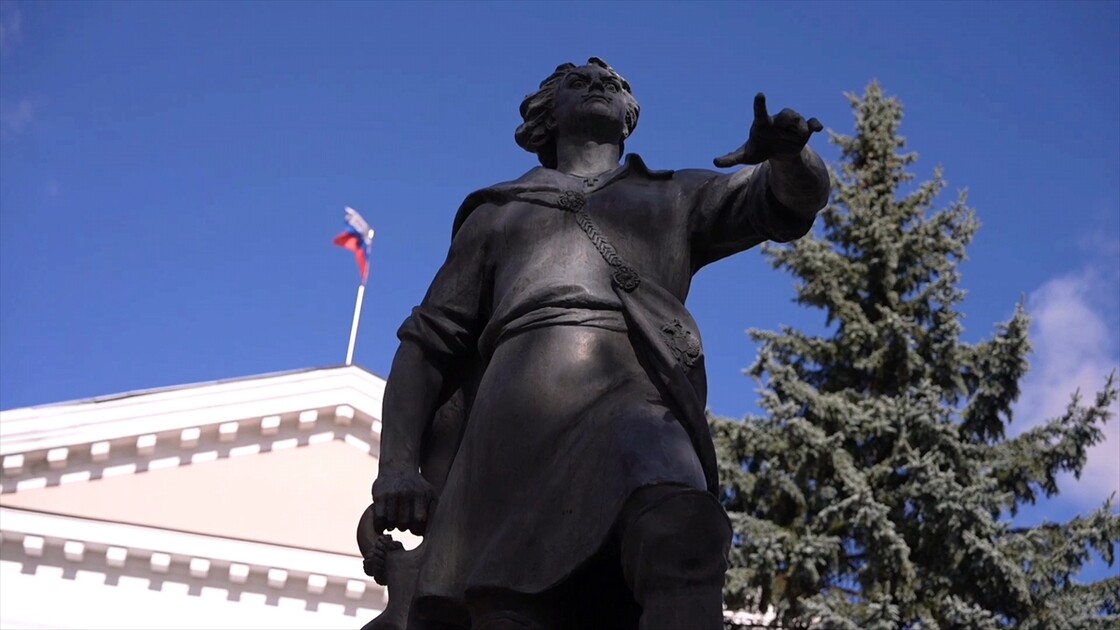
[14/14] KALININGRAD, RUSSIA - OCTOBER 02: A statue stands in front of a building flying the Russian flag in Kaliningrad, Russia, on October 02, 2026, amid heightened regional tensions.
[1/14] KALININGRAD, RUSSIA - OCTOBER 02: People walk along the waterfront lined with buildings and eateries as boats dock nearby in Kaliningrad, Russia, on October 02, 2026, amid heightened regional tensions.
[2/14] KALININGRAD, RUSSIA - OCTOBER 02: People go about their daily lives in Kaliningrad, Russia, on October 02, 2026, amid heightened regional tensions.
[3/14] KALININGRAD, RUSSIA - OCTOBER 02: People go about their daily lives in Kaliningrad, Russia, on October 02, 2026, amid heightened regional tensions.
[4/14] KALININGRAD, RUSSIA - OCTOBER 02: A view of a historic cathedral in Kaliningrad, Russia, on October 02, 2026, amid heightened regional tensions.
[5/14] KALININGRAD, RUSSIA - OCTOBER 02: People go about their daily lives in Kaliningrad, Russia, on October 02, 2026, amid heightened regional tensions.
[6/14] KALININGRAD, RUSSIA - OCTOBER 02: People go about their daily lives in Kaliningrad, Russia, on October 02, 2026, amid heightened regional tensions.
[7/14] KALININGRAD, RUSSIA - OCTOBER 02: A view of a historic cathedral in Kaliningrad, Russia, on October 02, 2026, amid heightened regional tensions.
[8/14] KALININGRAD, RUSSIA - OCTOBER 02: A view of a historic cathedral in Kaliningrad, Russia, on October 02, 2026, amid heightened regional tensions.
[9/14] KALININGRAD, RUSSIA - OCTOBER 02: People walk outside a historic cathedral in Kaliningrad, Russia, on October 02, 2026, amid heightened regional tensions.
[10/14] KALININGRAD, RUSSIA - OCTOBER 02: People go about their daily lives in Kaliningrad, Russia, on October 02, 2026, amid heightened regional tensions.
[11/14] KALININGRAD, RUSSIA - OCTOBER 02: People go about their daily lives in Kaliningrad, Russia, on October 02, 2026, amid heightened regional tensions.
[12/14] KALININGRAD, RUSSIA - OCTOBER 02: A view of a historic cathedral in Kaliningrad, Russia, on October 02, 2026, amid heightened regional tensions.
[13/14] KALININGRAD, RUSSIA - OCTOBER 02: People go about their daily lives in Kaliningrad, Russia, on October 02, 2026, amid heightened regional tensions.
[14/14] KALININGRAD, RUSSIA - OCTOBER 02: A statue stands in front of a building flying the Russian flag in Kaliningrad, Russia, on October 02, 2026, amid heightened regional tensions.
Russia’s sole exclave
With a population of about 1 million, the Kaliningrad region is a semi-exclave bordering Lithuania to the north and east, Poland to the south, and the Baltic Sea to the west.
It is separated from Belarus, a close ally of Russia with which it is formally part of a union state since 1999, by a roughly 65-kilometer (40.3-mile) corridor at its shortest point, known as the Suwalki Gap.
Named after the nearby Polish town of Suwalki, the gap serves as NATO’s only land route to the Baltic states and has gained particular geopolitical importance following Estonia, Latvia, and Lithuania’s accession to the alliance in March 2004. All three Baltic states also joined the EU later that year.
The regional capital of Kaliningrad, a major port city on the Baltic coast that served as a former capital of the Kingdom of Prussia under the name of Konigsberg, became part of the Soviet Union after the end of World War II.
It was renamed Kaliningrad in 1946 in honor of Mikhail Kalinin, a Soviet politician who served as a chairman of the Presidium of the Supreme Soviet between 1938 and 1946.
The city is home to the headquarters of Russia’s Baltic Fleet.
From here, Russia oversees large swaths of the Baltic’s airspace and maritime territory, but in the event of a war, it could struggle to sustain its forces if communications were disrupted.
Why the latest tensions?
Tensions have continued since the start of the Ukraine war in February 2022, leading to NATO strengthening its eastern flank. Finland and Sweden, which have a coast to the Baltic Sea, also joined the alliance in 2023 and 2024, respectively.
The latest spike came after NATO conducted a planned yet unannounced air exercise above northeastern Poland near the Kaliningrad region in August. The operation is said to have demonstrated the capability to cut off the exclave's radio and radar links as well as its air defenses in the event of a conflict with Russia.
The flights came after German newspaper Bild reported that the alliance developed the Land Warfighting Concept for responding to a possible Russian attack on the Baltic states, including strikes on missile and air defense systems in the region.
In May, Lithuania’s Foreign Minister Kestutis Budrys said NATO has the means to destroy air defense capabilities in Kaliningrad.
"We must show the Russians that we are capable of breaking through their little fortress in Kaliningrad. If necessary, NATO has all the means to level the Russian air defense and missile bases there," Budrys said in an interview with the Swiss Neue Zurcher Zeitung newspaper. Russia had slammed the remarks as "verging on insanity."