Mohammad Sio
23 June 2026•Update: 23 June 2026
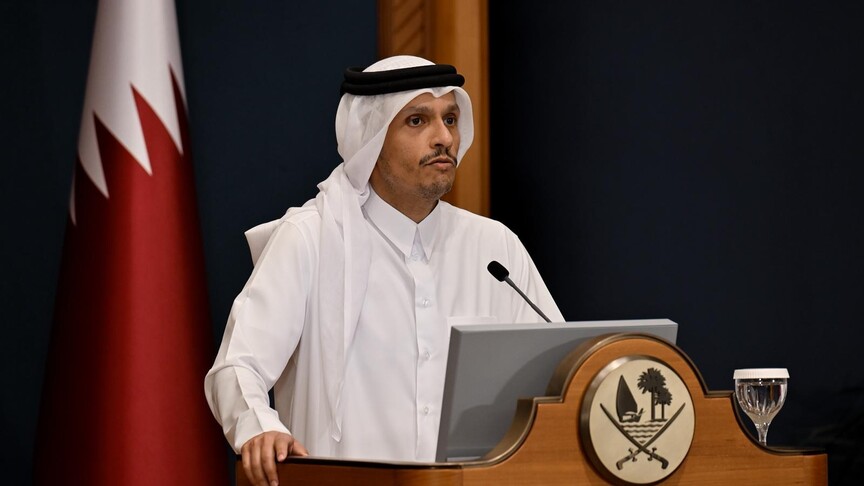
Qatari Foreign Minister Sheikh Mohammed bin Abdulrahman Al Thani said dialogue with Iran remains necessary to ensure regional security and stability, despite describing recent developments involving Qatar and other Gulf states as "unacceptable."
In an interview with Al Jazeera, the Qatari foreign minister said Doha looks forward to a unified Gulf vision and a new regional security framework that guarantees stability and prevents repeated crises.
He said, however, that full regional stability cannot be achieved without a just solution to the Palestinian issue, ending the suffering of the Palestinian people and granting them the right to establish an independent, sovereign state.
Sheikh Mohammed stressed the importance of guaranteeing freedom of navigation, removing threats to safe passage and activating direct communication mechanisms and hotlines to contain any future disputes.
He said Qatar is continuing consultations with Gulf Cooperation Council (GCC) countries and Oman based on a shared Gulf position that affirms the right of all Gulf littoral states to a safe and free passage while preserving regional stability and the interests of their peoples.
"Iran is a neighboring country, and dialogue with it remains necessary to guarantee the security and stability of the region, despite the fact that what happened is unacceptable toward Qatar and our brothers in Gulf states," he said.
He added that GCC states are working in direct and continuous coordination, with a shared vision focused on resolving disputes through diplomatic and peaceful means and building a higher level of trust and cooperation.
Before the recent US-Iran Memorandum of Understanding under Pakistani and Qatari mediation, the region had been on alert since the US and Israel launched a joint offensive on Iran on Feb. 28, killing more than 3,000 people, including the then-Supreme Leader Ayatollah Ali Khamenei.
Iran retaliated with drone and missile strikes targeting Israel, Iraq and Gulf countries hosting US military assets. It also restricted the movement of ships through the Strait of Hormuz.