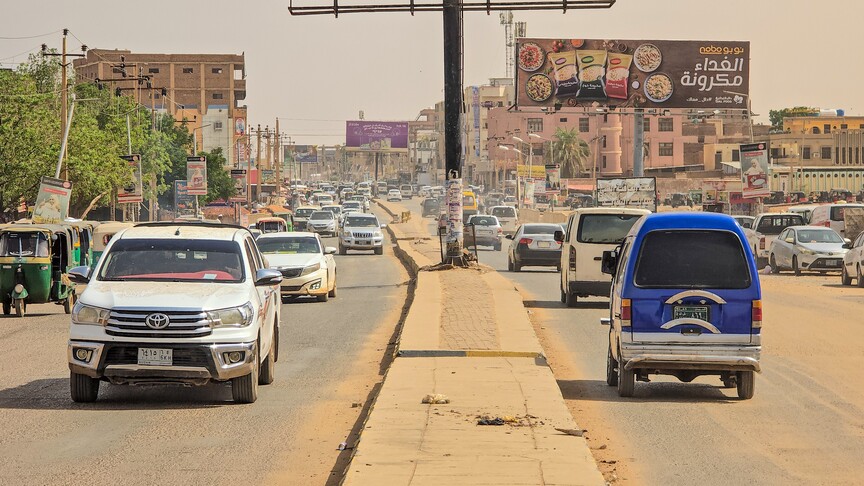
ISTANBUL (AA) - As the war in Sudan enters its fourth year, it has transcended the notion of a limited internal conflict, revealing a broader scope characterized by the struggle for resources and a contest for external influence. Furthermore, the conflict's repercussions for regional security, regarding the Horn of Africa and the Red Sea, are assessed based on clearer indicators that are more reliable than those available during the first two years of the war. It is also worth noting that the war's impact on the Sahel-Sahara region became apparent early on, driven by the dynamics of the conflict, the nature of military operations, troop mobilizations, and supply lines bordering the Darfur region. This was compounded by extensive cross-border tribal ties involving both immediate and distant neighbors, including areas in eastern Libya, Chad, Niger, and Mali.
It is a rare paradox that the Sudan war crisis has run through the full stages of a crisis—from dormancy and apprehension to eruption and escalation—eventually settling into a phase of repercussions. These consequences span the national level, affecting sovereignty and social cohesion, as well as the regional level, threatening states across the Sahel, the Horn of Africa, and Red Sea security. This occurred for the first time in the history of conflict in Sudan, as the fallout has expanded to threaten international peace and security—all within a remarkably short timeframe for the transition between stages.
Sudan’s security governance system is confronted with a complex, multifaceted conspiracy against the nation, which intersects across operational, diplomatic, economic, humanitarian, and media dimensions. Locals are pounded by insecure borders and the destabilizing impact of foreign interference, including the provision of weapons, equipment, and foreign militia mercenaries—particularly Colombians and a wide array of African nationals. Several key strategic considerations in crisis management should be highlighted:
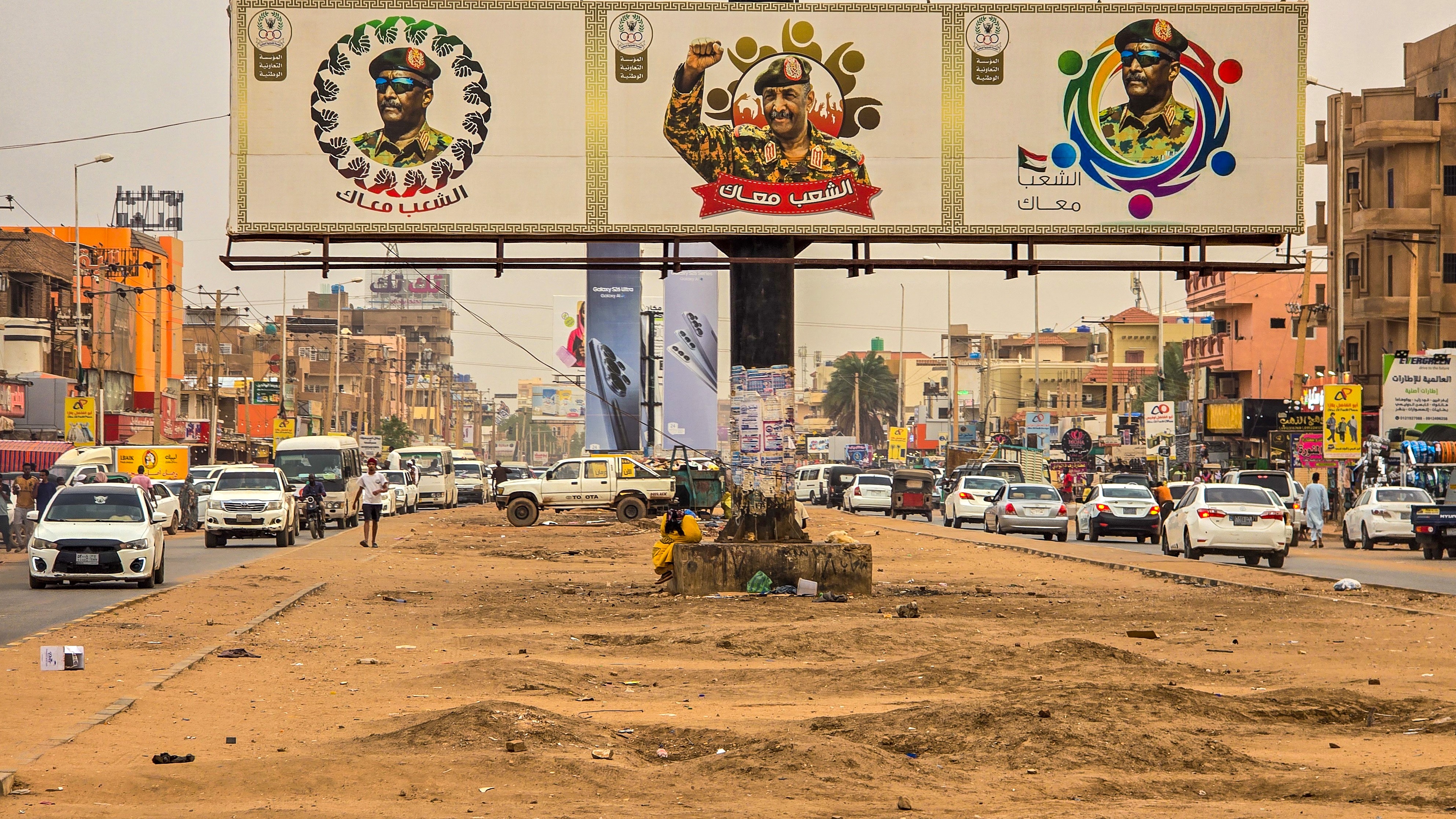
The war in Sudan has increased threat perceptions, driving a move toward establishing a security group and a coordination council that include Arab and African littoral states; this body aims to shape a distinct security identity for the Red Sea. Yet, is the regional escalation currently unfolding in eastern Sudan—specifically near the city of Kurmuk, bordering Ethiopia—merely a fleeting tactical maneuver, or is it an attempt to reshape the trajectory of the theater of war?
Past conflicts in Sudan have witnessed the opening of the eastern border front shared with Ethiopia, used for temporary tactical purposes, combining political pressure with operational military diversion. However, the current iteration of the war in Sudan differs from its predecessors, necessitating a reevaluation of methods and tools to formulate policies appropriate for this phase.
From a media perspective, the narrative regarding the war in Sudan is being reframed: shifting from an issue of internal rebellion to a conflict that threatens regional and international security. This development provides an opportunity for a diplomatic "whitewash" and serves to temporarily distract world attention from United Arab Emirate-Israeli activities in Somaliland and Jubaland—areas near Bab el-Mandeb Strait which put the security of the Horn of Africa and the Basra Gulf at stake. It also slows down the partition and recognition agenda, which had faced rejection from most regional states, prompting them to initiate understandings—and potentially an alliance—aimed at halting the expansion of these policies, particularly in Yemen and Somalia.
Regarding the humanitarian situation and human rights during the Sudan war, civilian suffering is intensifying as military operations escalate in parts of the Kordofan and Darfur regions and limited areas of the Blue Nile region. The Rapid Support Forces (RSF) employ a strategy of chaos, panic, and fear to sustain operational momentum and improve their negotiating position. They weaponize civilian suffering as a tool of warfare calling for international intervention by organizations aligned with the RSF—Khartoum alleges that this dynamic is driven by the Emirati lobby’s pressure on Western decision-makers in Europe and the United States.
On the other hand, the Sudanese Armed Forces (SAF) adopt the strategy of stabilization to support the return of internally displaced persons (IDPs) and those who had emigrated abroad through the voluntary return program. This is particularly relevant regarding Egypt, which hosts the largest number of Sudanese refugees. It is worth noting that civilians fleeing the war seek refuge in areas controlled by the army rather than in locations seized by the militia, as seen in the massive Al-Debba displacement camp housing mostly people from El Fasher and the Al-Obeid camp, which shelters tens of thousands of citizens from villages and towns across different Kordofan states.
The humanitarian situation will deteriorate with the beginning of the rainy season and the militia’s persistent efforts to prevent farmers and herders from resuming their normal lives.
1) Defeating the insurgency project through an integrated military, political, diplomatic, and social approach, or what is known as the "internal erosion of the militia's structure." This scenario is the most likely given the situation on the ground and aligns with the Sudanese government's announced roadmap regarding final phase issues that entail dismantling the militia by disarming and regrouping its members.
2) A protracted war followed by a fragile peace—subject to renewed conflict—driven by pressure for negotiations and ceasefires. This could lead to an externally dominated landscape that entrenches division and grants legitimacy to the militia (essentially replicating the Libyan model).
3) The role of proxies gradually diminishes as the role of principals comes to the fore—following the US-Israeli confrontation with Iran over the Strait of Hormuz. This paves the way for understandings with the regional patron that might engender a deal to extricate the country from the quagmire of the Sudan war, while simultaneously incorporating the necessary safeguards to protect and govern the national interest.
Many nations and states have endured wars and conflicts, varying in their intensity and consequences. However, the true significance lies in the strategy of managing and navigating the crisis and conflict. While wars pose a threat, they also offer an opportunity to learn lessons and rise from the rubble. Sudan’s situation is no exception, provided that the principles and dynamics of development, the prerequisites for overcoming crisis and adversity, and the interconnected nature of the situation's various components—in both their deconstruction and reconstruction—are duly considered.
*Opinions expressed in this article are the author's own and do not necessarily reflect the editorial policy of Anadolu.

contact_the_ombudsman
is_there_an_error_in_this_story