Zuckerberg pushes back against industrywide AI slowdown
Meta CEO says individual companies should decide when to slow development over safety concerns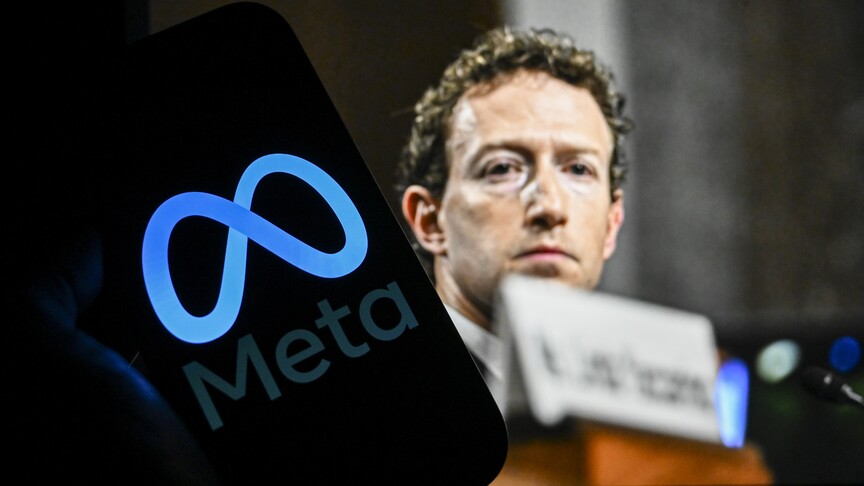
Mark Zuckerberg, the founder and CEO of US-based social media giant Meta, rejected calls for artificial intelligence companies to collectively slow the development of increasingly powerful systems, according to an interview with NBC News.
“I don’t think that we need some kind of industrywide coordination,” Zuckerberg said. “I think that each lab needs to take the time, and when it sees that there are issues, you just take the time that you need internally to basically make sure that you’re proceeding safely.”
His comments come as some leading figures in the AI industry have called for greater coordination over the pace of development amid concerns about the risks posed by increasingly capable systems.
Anthropic CEO Dario Amodei recently called for companies to work together to “pace the frontier” of AI development, drawing support from OpenAI CEO Sam Altman, Google DeepMind co-founder Demis Hassabis, and xAI's Elon Musk.
Zuckerberg argued that individual AI companies could slow or pause their own development if they encountered safety concerns rather than agreeing on an industrywide approach.
He also pointed to consumer demand as an incentive for companies to ensure their AI products are safe and useful.
“I happen to think that there’s plenty of commercial incentive to get this right,” he said.
'Optimistic' on AI's 'positive future for everyone'
The Meta CEO said developers should focus on ensuring that AI systems understand users' desires and intentions and handle that information with discretion, rather than on catastrophic scenarios.
“There’s a lot of rhetoric that is filled with doom,” Zuckerberg said. “I’m quite optimistic about the fact that this is going to be a very positive future for everyone.”
The debate over the pace of AI development has intensified as researchers and industry leaders raise concerns about increasingly capable systems.
Former Anthropic researcher Jacob Coxon resigned in early September, warning about the risks of increasingly powerful AI systems and criticizing leading developers' approach to safety.
Last month, Meta agreed to pay some $18 billion to settle claims brought by dozens of US state attorneys general alleging the company misled consumers about the potential harms its social media platforms pose to children and teenagers.
The lawsuit alleged that Meta designed its platforms to be addictive to young users and misled consumers about associated risks.
The agreement would also require Meta to introduce a daily usage limit for teen users of its platforms, strengthen age-assurance measures, and provide additional tools for parents and guardians, according to the company.