Russian ambassador to Germany calls Leipzig drone incident 'provocation,' denies involvement
Sergey Nechaev expects further deterioration in ties between Russia and Germany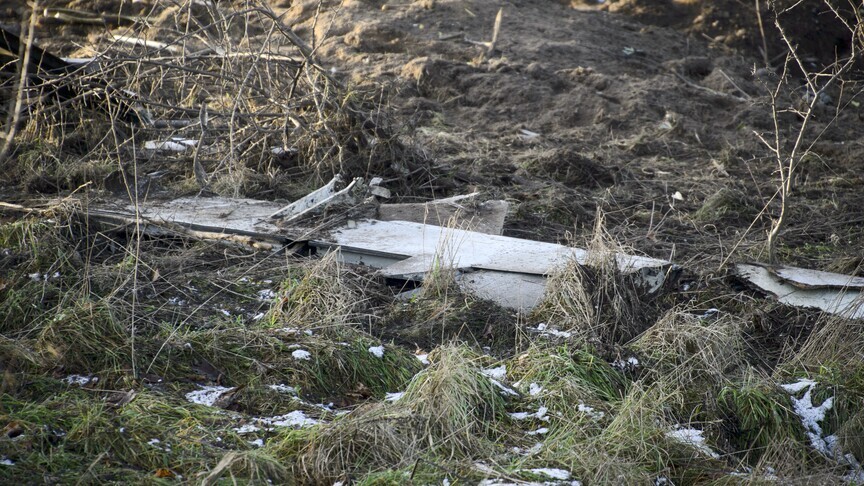
Russian Ambassador to Germany Sergey Nechaev on Tuesday described the recent drone incident at Leipzig Airport as “a deliberate provocation,” saying there was no evidence supporting accusations of Russian involvement.
“We regard what happened in Leipzig as a targeted provocation. No evidence has been presented to substantiate the accusations against Russia,” Nechaev said in an interview with the German podcast ungeskriptet.
He said the measures subsequently taken by Germany against Russia were “extremely harsh,” and marked an “unprecedented deterioration” in bilateral relations.
“Trust has been undermined,” he said, adding that Moscow regarded Berlin's actions as a serious political mistake that “will not remain without a response.”
Germany has blamed Russia for an attempted drone attack at Leipzig Airport on Aug. 4, saying its security authorities and European partners had found indications of Russian involvement. Russia has rejected the accusations.
Berlin subsequently announced the closure of Russia’s Consulate General in Bonn and the Russian House cultural center in Berlin. Moscow also took reciprocatory action, shutting the German consulate and Goethe Institut in St. Petersburg.
Nechaev said Russia had traditionally sought constructive relations with Germany, describing the two countries as “major economic and trade partners” and pointing to cooperation between universities, research institutions, civil society and cultural organizations.
The official also criticized the limited availability of Russian viewpoints in Germany, saying Russian media outlets had been blocked, their content was no longer available and some Russian journalists had been expelled.
On the Ukraine conflict, Nechaev said Moscow believed its roots went back to the 1990s, when some Western countries sought to distance Ukraine from Russia and NATO subsequently expanded eastward.
“We do not want a war with NATO. We do not want a war with Germany. But our patience is not unlimited,” he said, adding that the use of Western weapons against targets deep inside Russia created an “extremely dangerous situation.”
On prospects for a settlement, Nechaev said a lasting peace would require political will from the Ukrainian leadership and what he called a balanced position from European countries.
“Temporary ceasefire is not enough,” he said, arguing that negotiations should instead address a lasting peace, security guarantees and conditions previously outlined by Russian President Vladimir Putin and Foreign Minister Sergey Lavrov.