Yasin Gungor
02 June 2026•Update: 02 June 2026
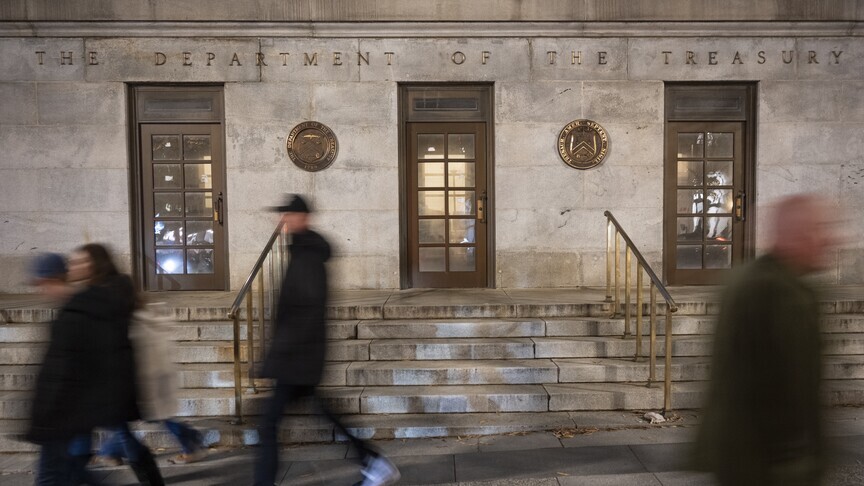
The US Treasury Department on Tuesday designated Iran’s largest digital asset exchanges as part of a broader economic offensive to eliminate what it called "threats posed by the Iranian government."
The Office of Foreign Assets Control (OFAC) targeted Nobitex, Iran's premier exchange, alongside Wallex, Bitpin, and Ramzinex for operating within the financial sector of the Iranian economy.
“Treasury will continue to follow the money in support of Economic Fury, whether it is through the banking system or through digital assets,” said Treasury Secretary Scott Bessent.
Nobitex reportedly processed over 50% of all Iranian digital asset inflows in 2025. Officials accused the platform of facilitating payments for "terrorist activities" and transactions linked to Iran's Islamic Revolutionary Guard Corps (IRGC). The exchange allegedly helped the Central Bank of Iran access hundreds of millions of dollars in stablecoins to support the "plummeting value" of the national currency.
Targeting leadership and insiders
The sanctions extend to Nobitex’s top brass, including chairman and co-founder Amir Hossein Rad, current CEO Seyed Ali Khoee, co-founder Ali Aghamir, and co-founder and blockchain lead for the company Mohammad Aghamir.
The State Department emphasized that while the Iranian economy is in "free fall," these exchanges allowed regime insiders to "shield" and "move wealth across borders" despite internet blackouts and amid US strikes.
Under these sanctions, all property and interests of the designated entities within the US or under the control of US persons are blocked.
The US has had sanctions on Iran since 1979, the year of the Iranian Revolution, and the latest sanctions come amid the US-Israeli war on Iran, launched on Feb. 28, and currently in a ceasefire punctuated by occasional hostilities.