- 'Our call is to reach a solution that would put an end to the conflict permanently,' UNIFIL spokesperson Tilak Pokharel tells Anadolu
- UN mission rejects any alternative boundary proposals beyond UN-demarcated Blue Line
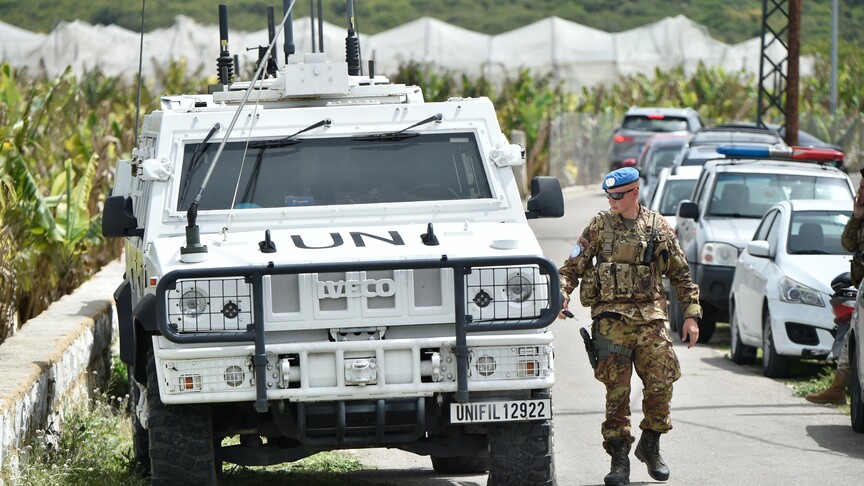
The UN peacekeeping mission in Lebanon has warned of a “very dangerous escalation,” with five peacekeepers killed in recent weeks, and called for a permanent ceasefire amid the fragile truce.
Ahead of a second round of Israel-Lebanon talks in the US on Thursday, the United Nations Interim Force in Lebanon (UNIFIL) also reaffirmed that it recognizes only the Blue Line -- the UN-drawn boundary between Israel and Lebanon -- as the basis for its operations.
“Our call is to reach a solution that would put an end to the conflict permanently,” UNIFIL spokesperson Tilak Pokharel told Anadolu in an interview.
With a 10-day ceasefire currently in place between Israel and Hezbollah following weeks of escalating violence, Pokharel described the truce as a “welcome sign,” but stressed that it remains temporary.
He pointed to UN Security Council Resolution 1701, which ended the 2006 war between Israel and Hezbollah and calls for a full cessation of hostilities, respect for the Blue Line and the deployment of Lebanese forces in the south alongside UN peacekeepers.
“The aim of Resolution 1701 is also a permanent ceasefire between the two countries,” he said, urging all sides to resolve the conflict through dialogue.
Since March 2, Israel’s offensive in Lebanon has killed around 2,300 people, wounded more than 7,500 and displaced over one million, according to Lebanese authorities.
Blue Line only
With Israeli officials reportedly discussing a self-declared buffer zone referred to as a “yellow line” in Lebanon, UNIFIL rejected any alternative to the Blue Line.
The Blue Line stretches about 120 kilometers (75 miles) along Lebanon’s southern border and was established by the UN to confirm Israel’s withdrawal from southern Lebanon in 2000.
"We operate here. We recognize the Blue Line,” said Pokharel. “Any other line as of now, we are not party to this or we are not in agreement.”
Israeli media reported the so-called “yellow line” as an unofficial boundary drawn south of the Litani River, running parallel to the Blue Line and extending between four and 10 kilometers (2.5 to six miles) into Lebanese territory.
Pokharel said recent Israeli actions in southern Lebanon not only violate the country’s sovereignty, but also Resolution 1701.
Peacekeepers in danger
UNIFIL has faced an uptick in violence since March 2, with conditions in southern Lebanon deteriorating sharply, Pokharel said.
Five UN peacekeepers -- three Indonesian and two French -- have been killed and several others injured during this period.
In late March, UNIFIL said a peacekeeper was killed when a projectile hit a position near the village of Adchit al-Qusayr in southern Lebanon, critically injuring another.
Within 24 hours, two more soldiers were killed when an explosion destroyed their vehicle near Bani Hayyan in the Marjeyoun district.
On April 18, a French soldier was killed and three others wounded when their patrol came under fire in southern Lebanon while clearing explosive ordnance in the village of Ghanduriyah. France later confirmed a second soldier died from his injuries.
Pokharel said investigations are ongoing, with preliminary findings indicating that one fatal incident involved “tank fire coming from an Israeli tank,” while another appeared to involve fire from non-state actors.
More than 7,500 peacekeepers are currently deployed in the country.
Violations, restrictions on mobility
UNIFIL said ongoing military activity violates Resolution 1701 and is restricting its operations.
"Our mobility has been severely hampered, but we remain in all our positions in the south, including along the Blue Line," said Pokharel.
He described daily risks faced by peacekeepers, including gunfire, shelling and explosive devices.
Patrols have been delayed, halted or turned back in several locations, limiting the mission’s ability to operate, he said, adding that such incidents have become routine.
A Spanish peacekeeper with UNIFIL was also illegally detained by Israeli forces.
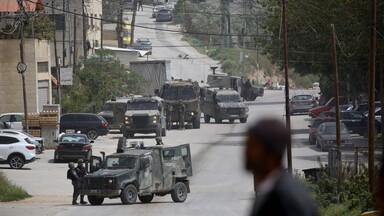
"There are several checkpoints set up by the Israeli Defense Forces in Lebanon, which go against international law and also Resolution 1701,” he said.
He also warned of growing dangers from mines and unexploded ordnance in southern Lebanon.
Despite the challenges, UNIFIL continues to monitor violations and facilitate humanitarian access, he said.
Pokharel added that peacekeepers have been supporting civilians who remained in the south during the fighting and are now assisting those returning following the ceasefire.
“In the recent hostilities, we have been trying to support the population as much as possible … including by facilitating humanitarian access,” he said, noting that significant challenges remain.