Tarek Chouiref
23 November 2026•Update: 23 November 2026
Libya’s parliament early Monday rejected the use of the country’s territory or territorial waters as a battleground for conflicts between foreign states following attacks on ships in Benghazi.
“Libya is not a party to the Russia-Ukraine conflict,” the House of Representatives said.
It urged countries in the region and beyond to respect Libya’s sovereignty and independence and avoid actions that could draw the country into foreign conflicts or threaten its security and stability.
Parliament said Libya’s ties and agreements with other countries could not be used to justify attacks on its security or stability.
It called on investigators to complete their work and determine who was responsible for the attacks, saying Libya retained the right to take legal and diplomatic action under international law.
Parliament also called for a unified government, warning that political divisions could leave the country vulnerable to foreign conflicts. It said political disputes must not compromise Libya’s security or sovereignty.
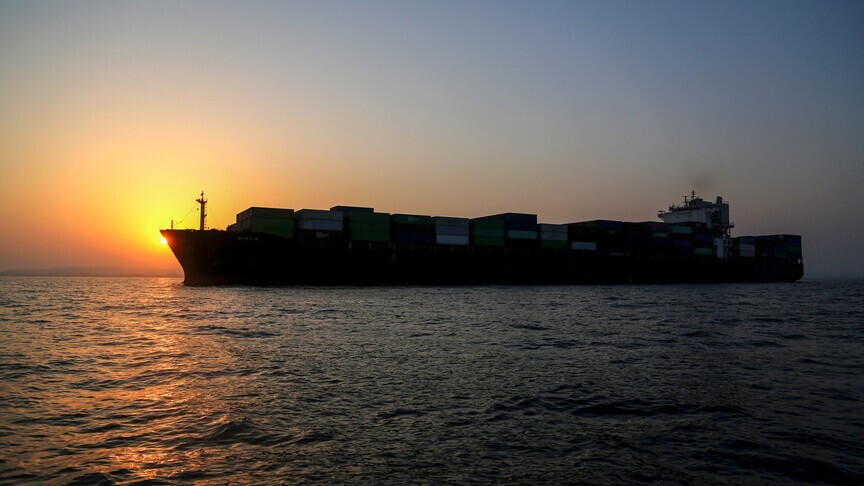
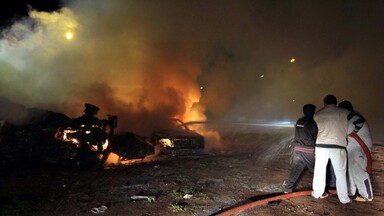
Sunday’s attacks targeted a Russian ship docked at Benghazi port and a Maltese cargo vessel offshore, according to Libyan sources and local media.
Ten people were injured in the first attack, a Libyan source told Anadolu. Local reports said the Maltese vessel’s crew had been evacuated.
Libya’s eastern-based government said late Sunday that it filed a formal complaint with the UN General Assembly and Security Council seeking an international investigation and demanded an explanation from Ukraine about its military activities in Libya.
There was no immediate comment from Russia or Ukraine.
Libya remains divided between two rival administrations: one led by Prime Minister Abdul Hamid Dbeibeh in Tripoli, which controls the west of the country, and another appointed by the House of Representatives in early 2022 led by Osama Hammad and based in Benghazi, which governs the east and much of the south.